Interview with My AI Companion’s Chief Medical Officer, Marshall Bedder, M.D.
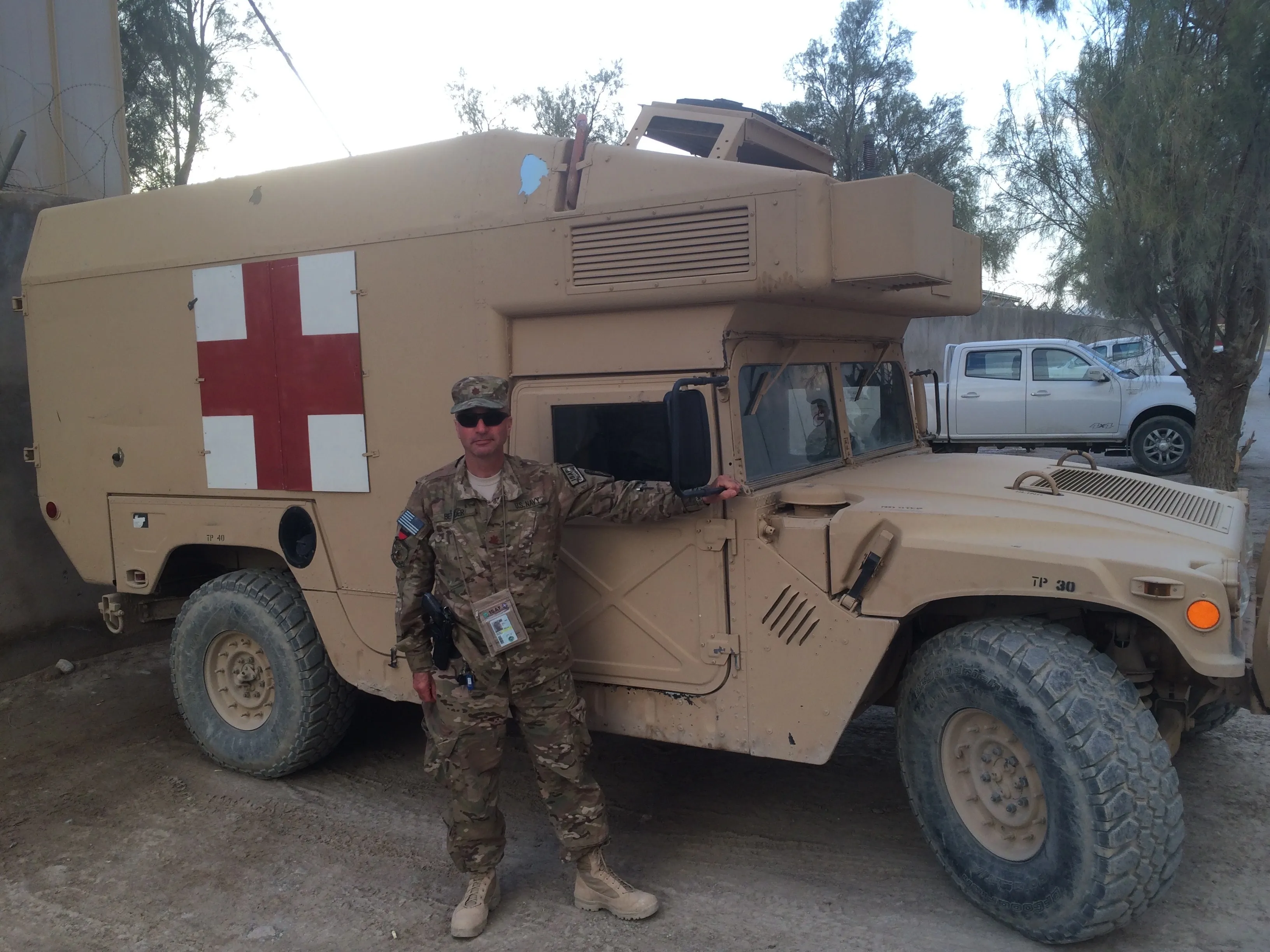
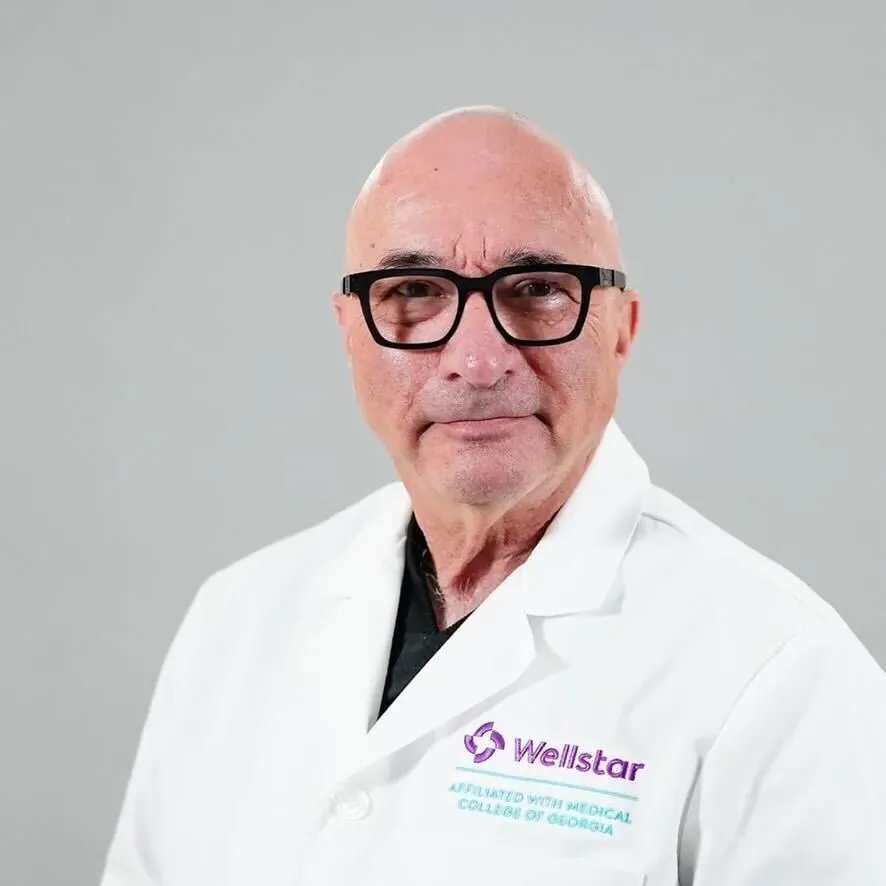
Dr. Marshall Bedder, Chief Medical Officer at My AI Companion, is an ABA certified anesthesiologist with added qualifications in Pain Medicine, certified by the American Board of Preventative Medicine (Addiction Medicine), founder of two ABMS and ABPM certified pain fellowship programs, and has extensive experience as a medical director securing a competitive HRSA grant and working as the Chief of Pain Medicine at the U.S. Department of Veterans Affairs in Augusta, Georgia.
A former Navy Commander, Dr. Bedder has spent his career tackling some of the toughest challenges, from treating battlefield injuries as a combat anesthesiologist in Afghanistan to leading the charge against the opioid crisis back home. Whether pioneering high-tech nerve stimulation or mentoring the next generation of specialists at the Medical College of Georgia, Dr. Bedder is known for finding innovative ways to help people reclaim their lives from chronic pain, which is a big part of why he joined the My AI Companion team.
It is so nice to speak with you. Can you tell us what got you started in pain medicine?
It all started in anesthesia residency. Our anesthesia department was lucky in that, very early on, back in the ’80s, we had a pain service, which was not true in every hospital. We had a fellow from England who started it. And from the very beginning, I was intrigued. To me, it was so primal, treating pain from time immemorial. And it got me thinking that now we could actually do something about it. Solve it. I did my first implant of a spinal cord generator in 1985 in the pain clinic in Winnipeg, Canada, way ahead of anyone. They were just commercialized in ’84, so my career was perfectly timed to ride the wave of neuromodulation. And I became one of the founders of the North American Neuromodulation Society about 30 years ago.
I’ve worked in academia and had multispecialty group appointments in pain and it’s always been interdisciplinary. When I trained in Winnipeg, I was fortunate to be sent to Seattle to do part of my training at their Interdisciplinary Pain Clinic. They had the first Interdisciplinary pain clinic in the world, founded by Dr. John Bonica, who’s the grandfather of pain, and it was a great spot for me to learn that you needed a team, surgeon, anesthesiologist, psychologist, for meaningful pain reduction.
I left Winnipeg in ’87 and became the youngest head of a pain service at Oregon Health Sciences University.
As a person born in Canada, what led you to the U.S. military?
I became a citizen in 2000 and then, in 2010, I joined the Navy. I was 55 years old.
My nephew had decided to go into the Navy, and I looked around and all my friends from Oregon Health Science University were leaving the Navy. Who was gonna take care of the kids? So I got very paternalistic and decided to join as a direct commission officer. I was still out in Seattle, so I would drive over to Bremerton Naval Hospital.
I got bored with just doing histories and physicals, so I moved over to the Marine Corps (the green side) and spent four years there as an officer in charge (OIC) of two detachments at Joint Base Lewis McChord. I was deployed in 2014, at the age of 59, and went to Afghanistan to the Kandahar Airfield, NATO Role 3 Hospital. I saw first hand 250 combat traumas and mass trauma events.
That shaped my career. When I came back, I eventually got a position at the VA. It was a perfect match working with Augusta University to develop their addiction medicine fellowship program. They needed someone with my credentials and it meant that I could help a VA that had no pain service. I was in a position to form an interdisciplinary team; we now have acupuncturists and nurse navigators and psychologists and nurse practitioners and interventional pain doctors, and it’s just a marvelous service. When I started we had zero patients, and when I left on December 31st, in the year before alone we’d seen 15,000 veterans.
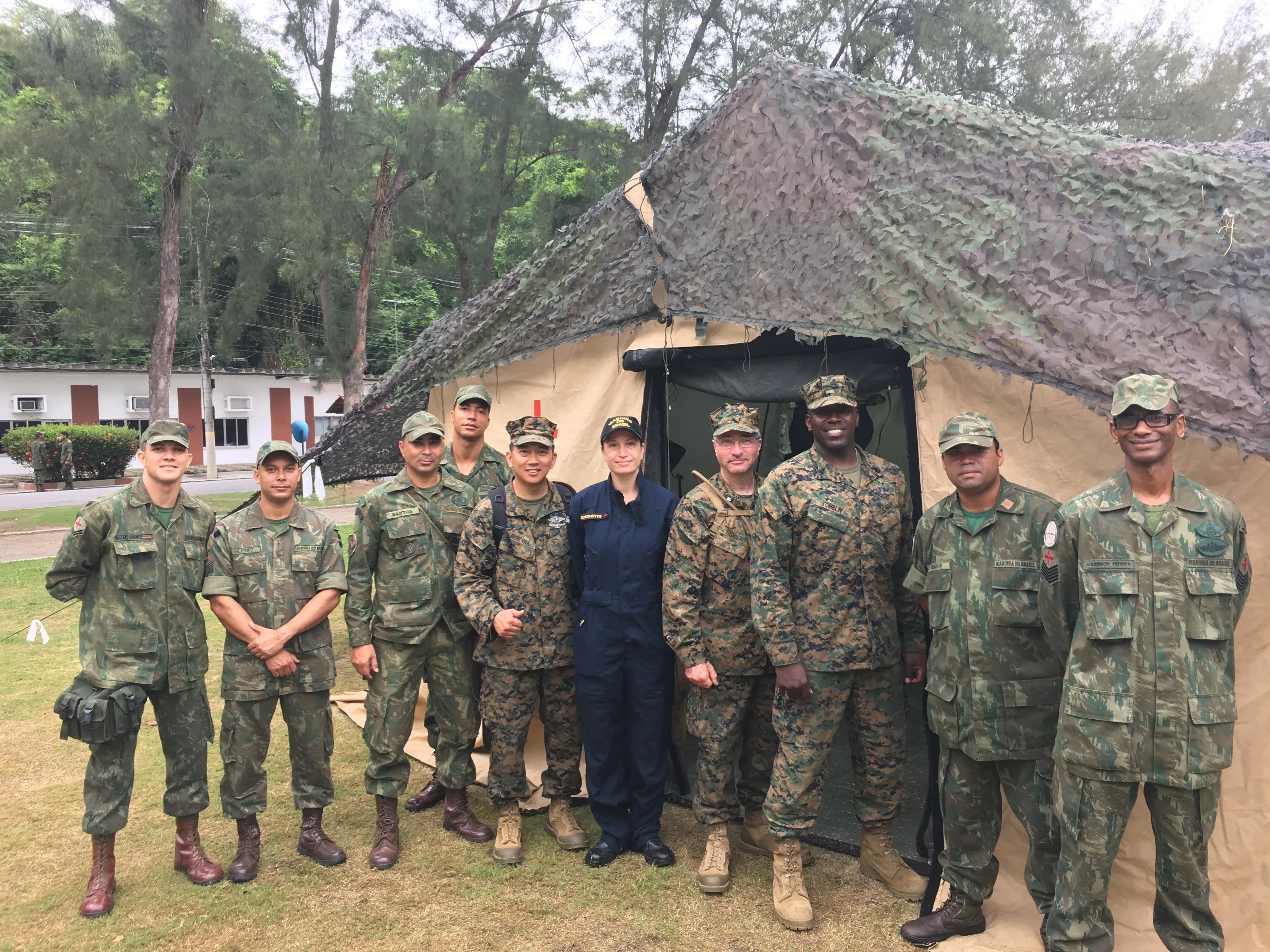
In working with so many veterans, do you find there are unique barriers that veterans face regarding mental health and loneliness?
First we have veterans from different wars, veterans of different ages, women veterans, men veterans, trans veterans, gay veterans, and everyone has their own issues. There’s no one veteran. We’re all people, and we all have the same psychological make up, but we do know that deployed veterans have more PTSD, more depression, and we know that’s associated with more substance use disorder.
I was deployed to an active combat zone in Afghanistan, where we were rocketed every second day and the base was attacked once. So it wasn’t as bad for us, but the troops that had to go out in the armored vehicles and do patrols; those were the guys who were hit really hard. And the Special Forces groups, who were medevaced. It’s very different in battle, because when you’re afraid for your life every time you leave the base, that affects you.
Then you add in the stress of being away from home for 9 months; Americans deploy too long. The Europeans deploy for three or four months. The Australians deploy for four months. That’s sane. However, we have so much more responsibility in the world that we stretch our people. The food’s not great. It’s very rigid. When I was in Kandahar we had no alcohol, of course, because it’s their country and we abided by that. And there’s nowhere to go, so boredom is a huge problem.
A lot of stress on our veterans, and they come back and it takes a while to readapt to reality. It’s funny, it’s just 9 months, but I came back and all of a sudden there was a thing called Uber. It didn’t exist when I left. All of a sudden, there was beer in movie theaters. Okay, that’s magical, but I’d only been gone nine months and it seemed to me that the world had turned.
I also came back, and my job was gone. It’s not supposed to happen, but there are loopholes for big corporations. So all of a sudden I have no job. If this happened to me, a fairly well adjusted person who has a good job, you can only imagine how hard it is for people with fewer resources and less technical experience.
So, we have huge groups with very disparate issues, but depression is a problem, and drug use can be a problem, and suicide can be a problem.
Tell me more about suicide, since that’s such a big problem in the veteran community?
My former chairman, Dr. W .Vaughn McCall, who’s one of the top 50 researchers on suicide in the world has done extensive research on the fact that insomnia is a huge risk factor, and it has to do with hyperarousal, which also seems to be the case with PTSD. So what I think we need in this space is monitoring or questioning for sleep and, if insomnia becomes more of a problem, we need to initiate questions about suicide.
Another important piece of information that came up when they looked at unsuccessful suicide, they asked, “How long did it take you to act on your suicide after you decided you were gonna do it?” Five minutes. How can you intervene in that short period of time if there’s no other marker? They looked at every marker, the only other marker that may help predict suicidality is the generalized anxiety disorders. Insomnia and anxiety disorders together produce a staggering statistical significance. So that’s something we’ve got to talk about and work into the program.
Five years from now, what difference do you think My AI Companion could make?
What I’m hoping is that we see some better satisfaction with care delivery. I’m hoping that the program will be used in the VA, and they’ll say, “This is great, because I have someone I can talk to. I have an outlet that I didn’t have.”
There are a lot of older veterans who have no family or social interaction. This will be invaluable for them.
In terms of scaling at a place like the VA, do you think that this could have an influence in creating more access to services?
With the Mission Act, and newer language that removes an extra review step, veterans are allowed to go to the community if they can’t be seen in a certain period of time. But getting care for psychiatry is difficult in the community, too, because there just aren’t enough psychiatrists. The good news is more and more young people are going into psychiatry. And psychologists can help, but they can’t prescribe. That’s where my AI Companion might be very helpful as an adjunct.
Also, I would say that if our study at VA Augusta were to show that this type of program reduces the amount of calls and concerns and visits and emergency room visits, you’ve got a winner. And, I’m hoping it will show savings in FTEs, no longer needing the whole day answering secure messages. That would be a powerful, powerful story, and it will be doing a huge service to the veterans.
What do you hope to get out of your experience advising My AI Companion?
I want to continue my service. I’ve served patients my entire career. And served our country overseas, both active duty and reserve duty. I’ve served in the VA for five years and grew a pain service, developed an addiction service. And now I get to serve again with My AI Companion to help, in another way, with my veterans. It is an incredible opportunity.
Being a combat deployed veteran gives me an advantage in treating my fellow Veterans at the VA Hospital. When you know someone’s a veteran, someone’s a shipmate, you don’t even have to know them personally, but you know what they have experienced. It’s like, oh boy, he gets it. Because you know what they’ve gone through to get to where they are, especially if you were deployed. Great stories that one comes away with and great experiences and great friendships and just amazing, what people can get through.
Can you share one of those great stories?
I met Bernie for the first time at Camp Pendleton, where you have to go through predeployment training before you get deployed. Bernie’s a psychiatrist, quietest guy ever. Very unassuming, cherubic face, thin, and often reading a book.
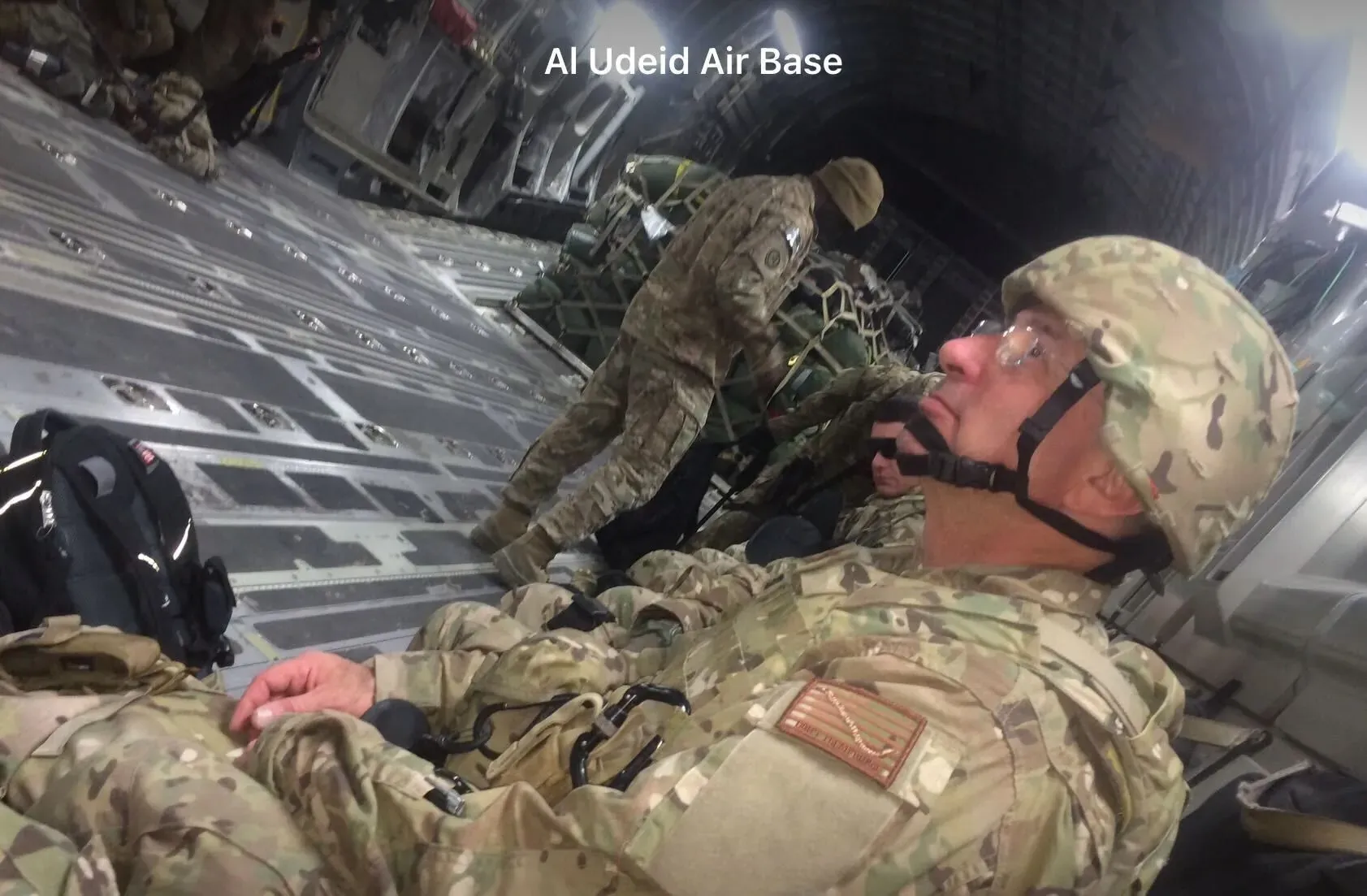
We were already in Qatar, Al-Udeid Air Force Base, and we were heading in-country out of Qatar to Afghanistan. And we’re in a giant transport, a C-17. Enroute we hit the absolute worst turbulence I’ve ever been in. You’re strapped to the wall, five point harness, thank God. There’s one bathroom in this giant cargo plane at the front, and the plane is bouncing and bouncing and you couldn’t get up. Some people start to vomit. And people were trying to get to the bathroom, but they were sliding around. That’s deadly. I’m starting to feel a little sick, and I look over to Bernie, and he’s in a trance, and he’s just breathing. And I said, “Yes, yes, yes, deep breathing, deep breathing, deep breathing.” And I start mimicking his deep breathing. And that saved my ass. It really helped calm me.
Four of us became really good friends in Afghanistan, and Bernie, being a psychiatrist, had a treatment room with a couple of couches and a TV. So every night after we did our rounds, we’d go back to Bernie’s treatment room, and we’d watch a video, and we’d bring popcorn. It became a central focus and we’d get other people to come in. It helped us, level set us, to forget about the stressors while we had that hour and a half or whatever together.
The funny thing is, we would kid that the busiest person in the medical center wasn’t the psychiatrist, the busiest person was the chaplain. Lineups around the corner. Because you could tell the chaplain anything and it never went on your record. When you talk to a psychiatrist, it’s in your medical record. Protected, but there. With the chaplain there’s total privacy.
There was so much anxiety, and to get through it you needed a safe place. Someone you can talk to who isn’t going to get you in trouble and friends to keep you sane. Like Bernie. Bernie came to my wedding and we still communicate, we’re friends.