Surprise! You Already Know How to Use AI

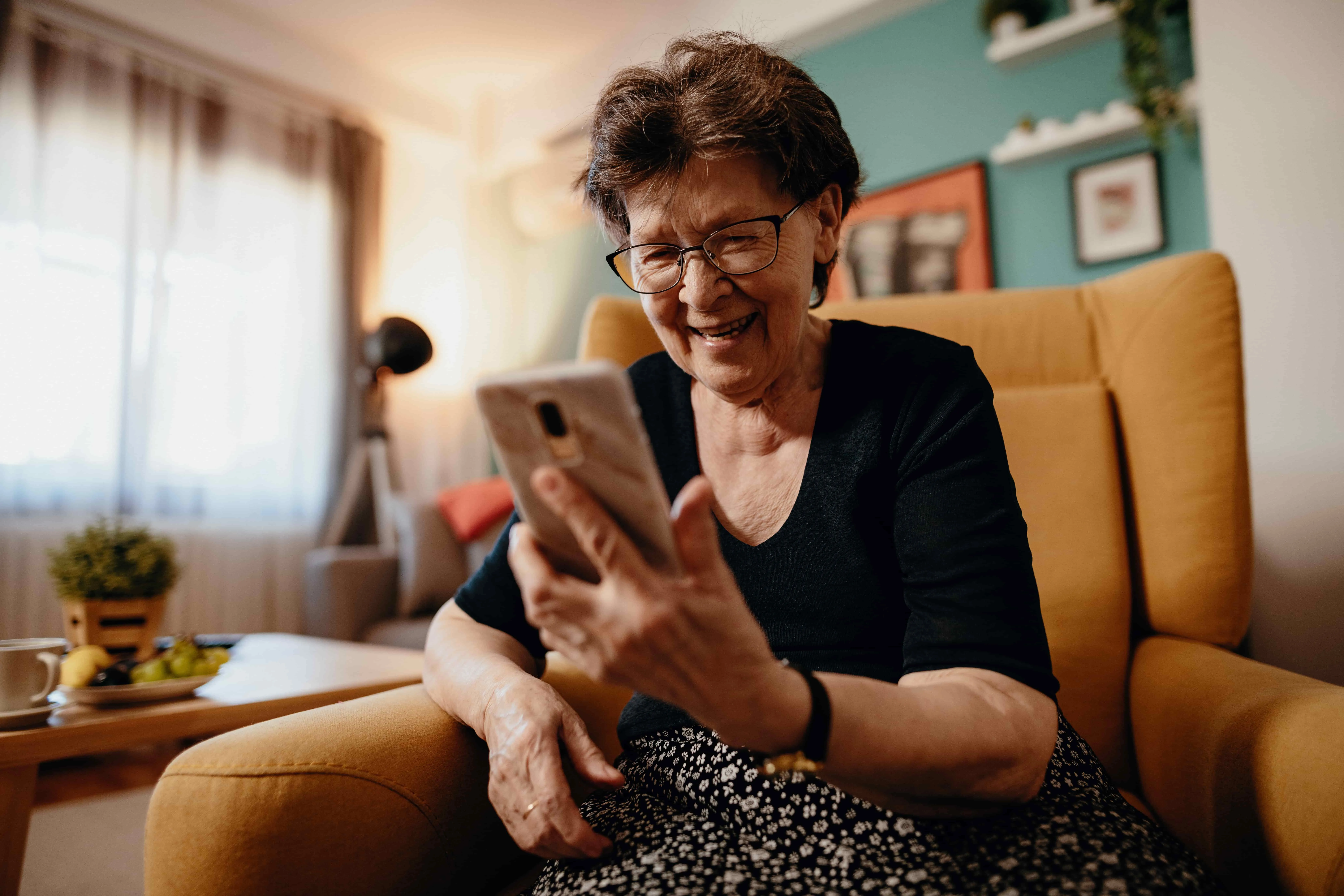
You may have heard the old adage that you can’t teach an old dog new tricks and wondered, “As an older adult, can I really learn to use AI?” The answer is yes, because most of us already use it. If you’ve ever told Siri to play The Beatles, asked Alexa for the five day weather forecast, or relied on Google Maps to find a new doctor’s office, we have a secret to share: you are already an AI power user!
Whether it’s through voice assistants, GPS navigation, or the spam filter that keeps the “Nigerian prince” from asking you to pay him in Sephora gift cards, AI is likely already woven into your daily life. You don’t need a computer science degree to benefit from these tools; you just need a device and the ability to communicate.
AI is Everywhere
The term Artificial Intelligence might sound like something out of 1980s Arnold Schwarzenegger movies, but, in reality, it’s just the engine behind the conveniences you use every day. According to the Pew Research Center, smartphone ownership among those 65 and older has risen significantly, reaching 61%, and approximately 90% of adults over age 65 regularly use the internet. So, if you’ve recently interacted with any of the following, you’ve already mastered the basics:
- Voice Assistants: Siri and Alexa use natural language processing to understand your voice and find information.
- Navigation: Google Maps uses AI to predict traffic and find the fastest route to the pharmacy.
- Predictive Text: The autocomplete feature guesses the rest of the word and finishes your sentences as you type out a text message.
- Social Connection: Facebook uses it to make friend suggestions; FaceTime uses it for video stabilization.
- Safety: Spam filters even use it in your email, and for fraud detection on your credit card.
The great thing is that it works like gravity; you don’t have to understand it for it to make your life easier. The leap from asking Siri about the weather to having a daily check-in with an AI companion isn’t actually a leap at all. It’s just the next logical step in a conversation you’ve been having for years.
The Real Barrier Isn’t Age, It’s Design
Most modern health tech is built for twenty-somethings in Silicon Valley. It requires downloading a complex app, navigating a touchscreen with icons roughly the size of a grain of rice, and cobbling together the names of children and pets to remember a fourteen character password that still needs a special symbol to get the strong rating. When these products fail, we tend to blame the user. We say “We’re too old,” when the truth is the design was just clunky. Older adults adopt technology readily when it is intuitive, useful, and, most importantly, doesn’t require us to change our existing habits.
Because we aren’t afraid of technology; we are simply tired of bad design. This barrier disappears when they stop asking us to learn a new way of communicating and instead start building tools that meet us where we are.